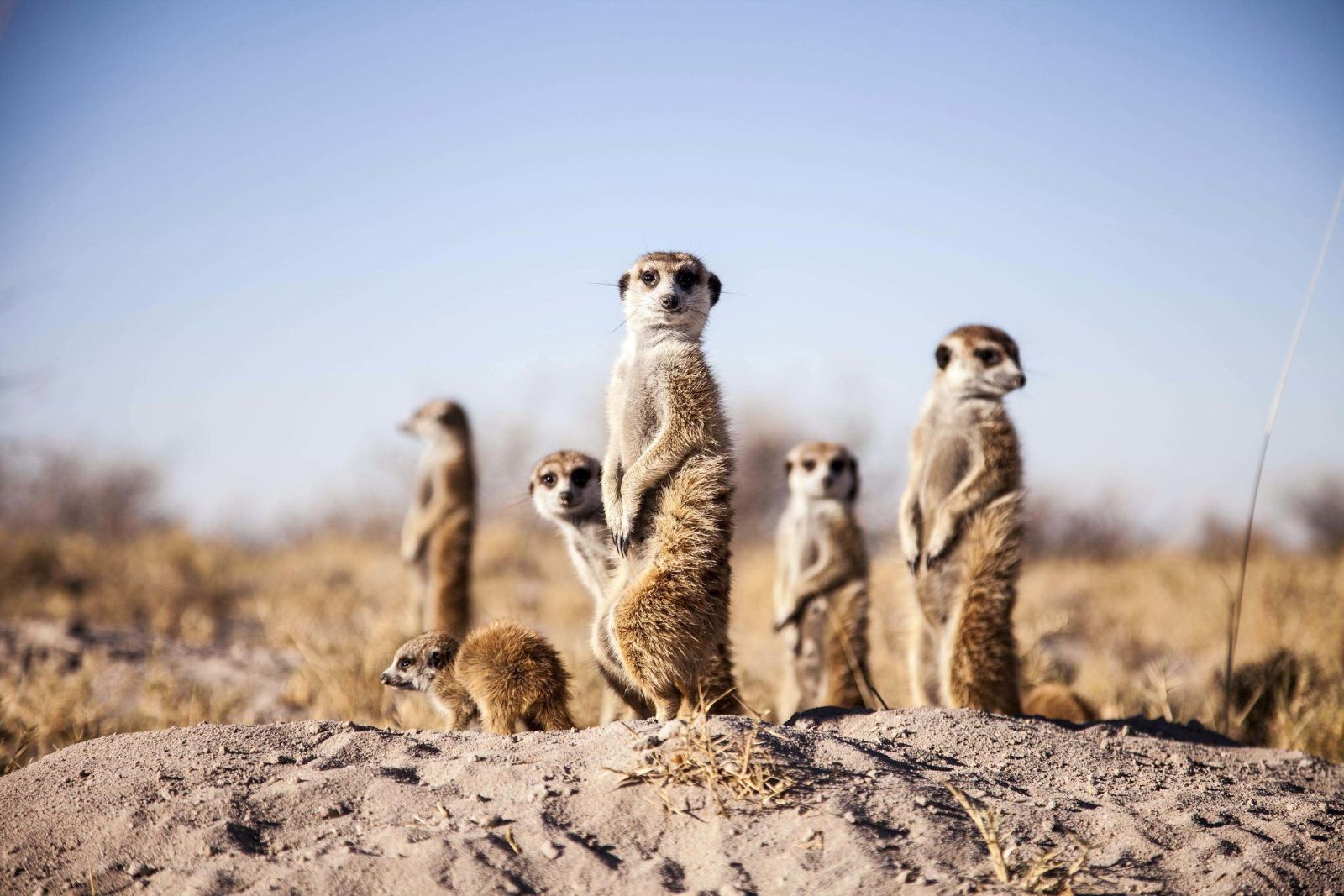
Spending time with the meerkats is one of the many lovely reasons to include the Makgadikgadi Pans in your Botswana safari. Sitting nearby as they dig, forage, and take turns keeping watch is a pleasure, especially when you have time to notice their individual personalities.
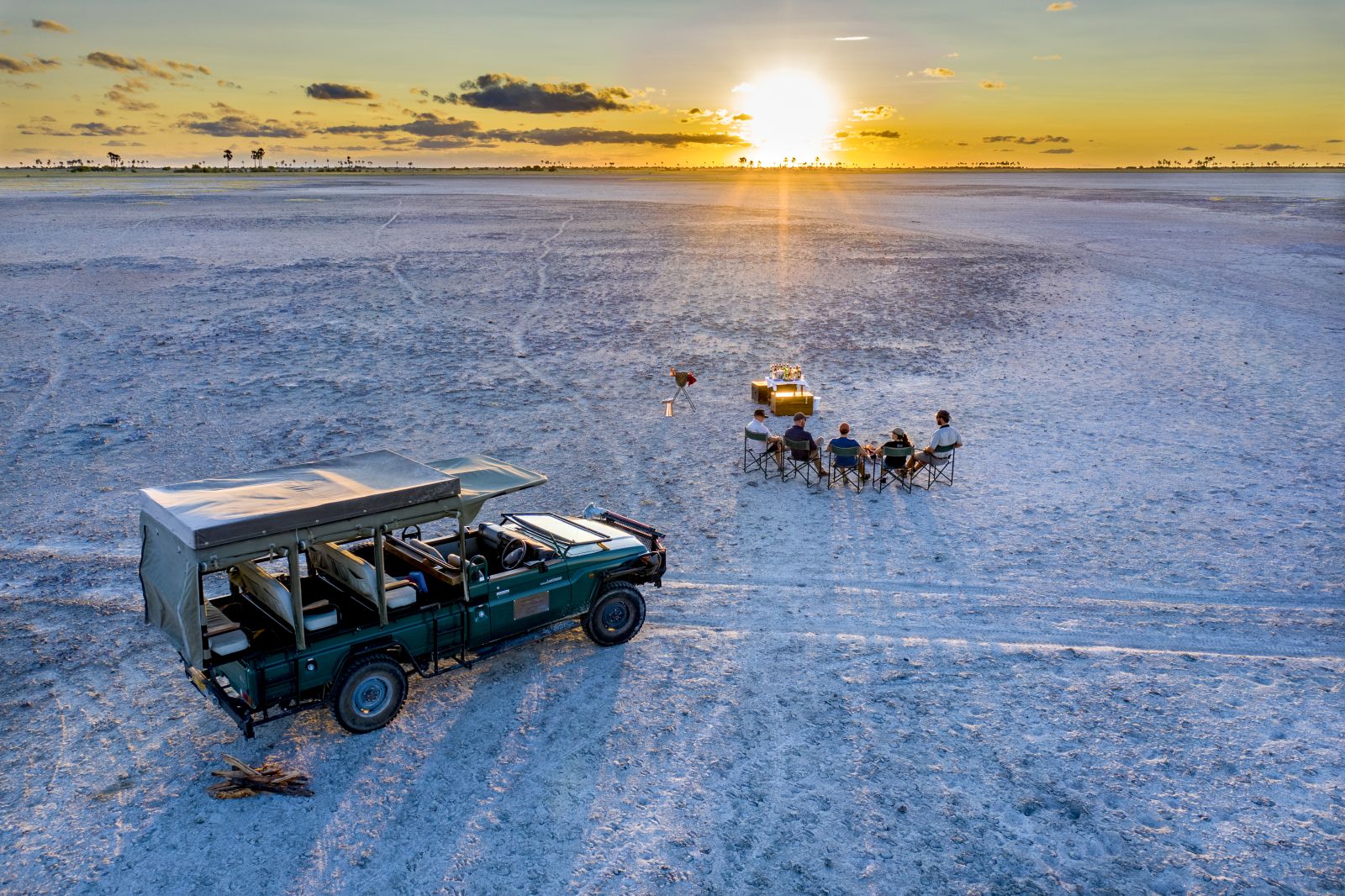
There is much more to explore here, too. Depending on when you visit, you might head across dry salt flats, find zebra herds grazing after the rains or walk with guides who share their knowledge of the land. For a Botswana safari that includes the Okavango Delta or Chobe, a few days in the pans gives you a different landscape and a different way to spend your days.
Where Are the Makgadikgadi Pans??
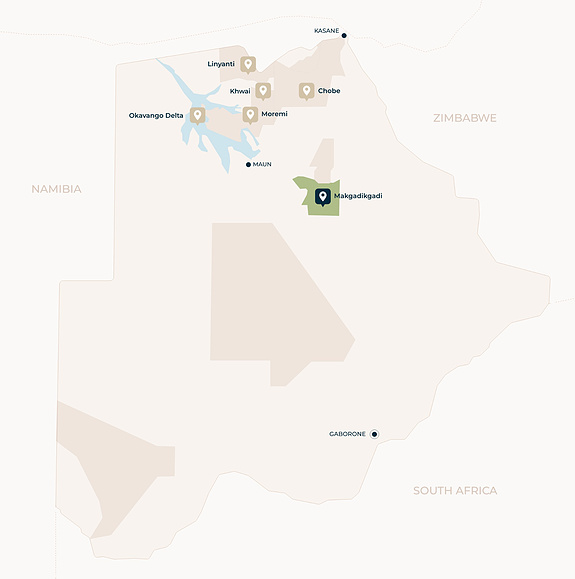
The Makgadikgadi Salt Pans lie southeast of the Okavango Delta in northeastern Botswana. They are the remains of an ancient lake system, with several separate pans rather than one continuous stretch of salt. Sua and Ntwetwe are the largest.
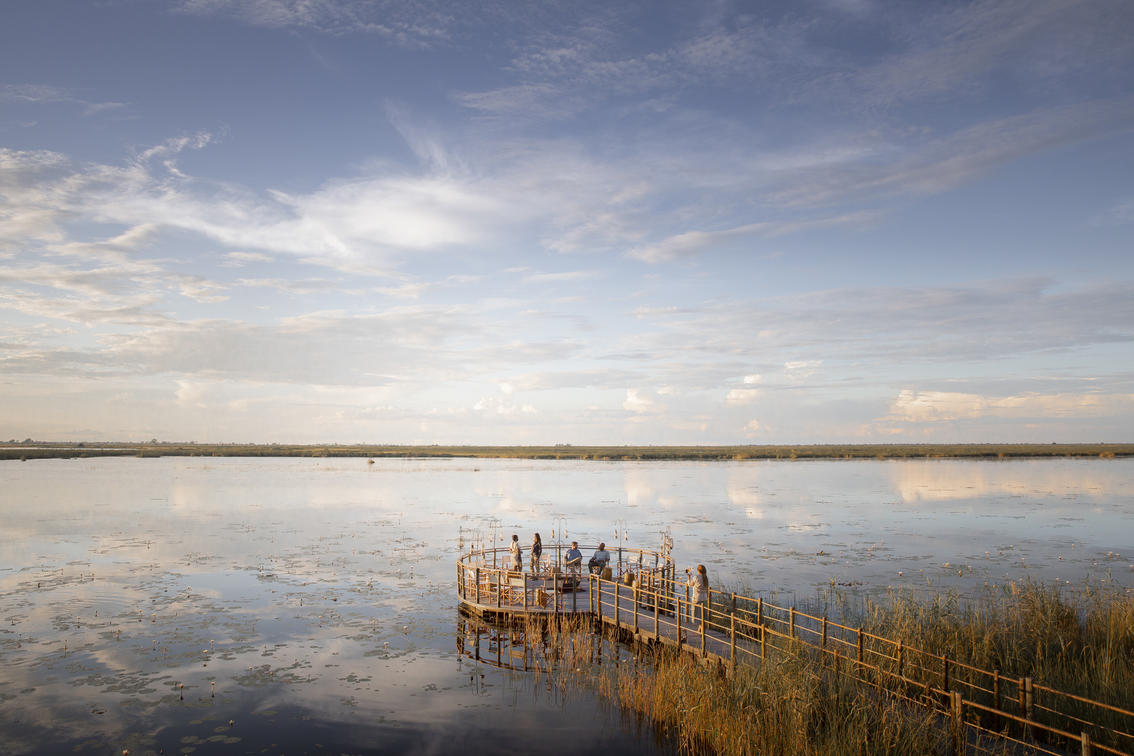
The wider region also includes grassland, woodland and the Boteti River along the western side of Makgadikgadi Pans National Park. Where you stay matters: a camp near the salt flats offers a different experience from a lodge overlooking the river.
What Makes the Pans Worth Visiting?
The change from the Delta is striking. Channels and floodplains give way to open grassland and, in the dry months, pale salt flats stretching far into the distance. There is less to block your view, and plenty of reason to stop, get out with your guide where permitted and take it all in.
Your days can be varied, too. Game drives are part of the experience, but so are meerkat visits, guided walks and seasonal outings onto the pans. We would include the Makgadikgadi for that variety, giving you time to enjoy Botswana beyond the usual game-drive routine.
“I would give the pans a few days of their own. There is plenty to enjoy here, and combining them with the Delta lets you experience two very different parts of Botswana.”
– Alison, Africa Tailormade
What Can You Do in the Makgadikgadi Pans?
Activities depend on your camp, the season and the condition of the pans. These are some of the experiences we would consider when planning your stay:
- Spend time with meerkats: Selected camps visit habituated groups with a guide, allowing you to watch their daily routines without handling or feeding them.
- Explore on game drives: Look for wildlife in the surrounding grasslands, with the seasonal zebra and wildebeest movements adding interest after the rains.
- Join a guided cultural walk: At participating camps, walk with San guides who share their knowledge of tracking, plants and life in the Kalahari.
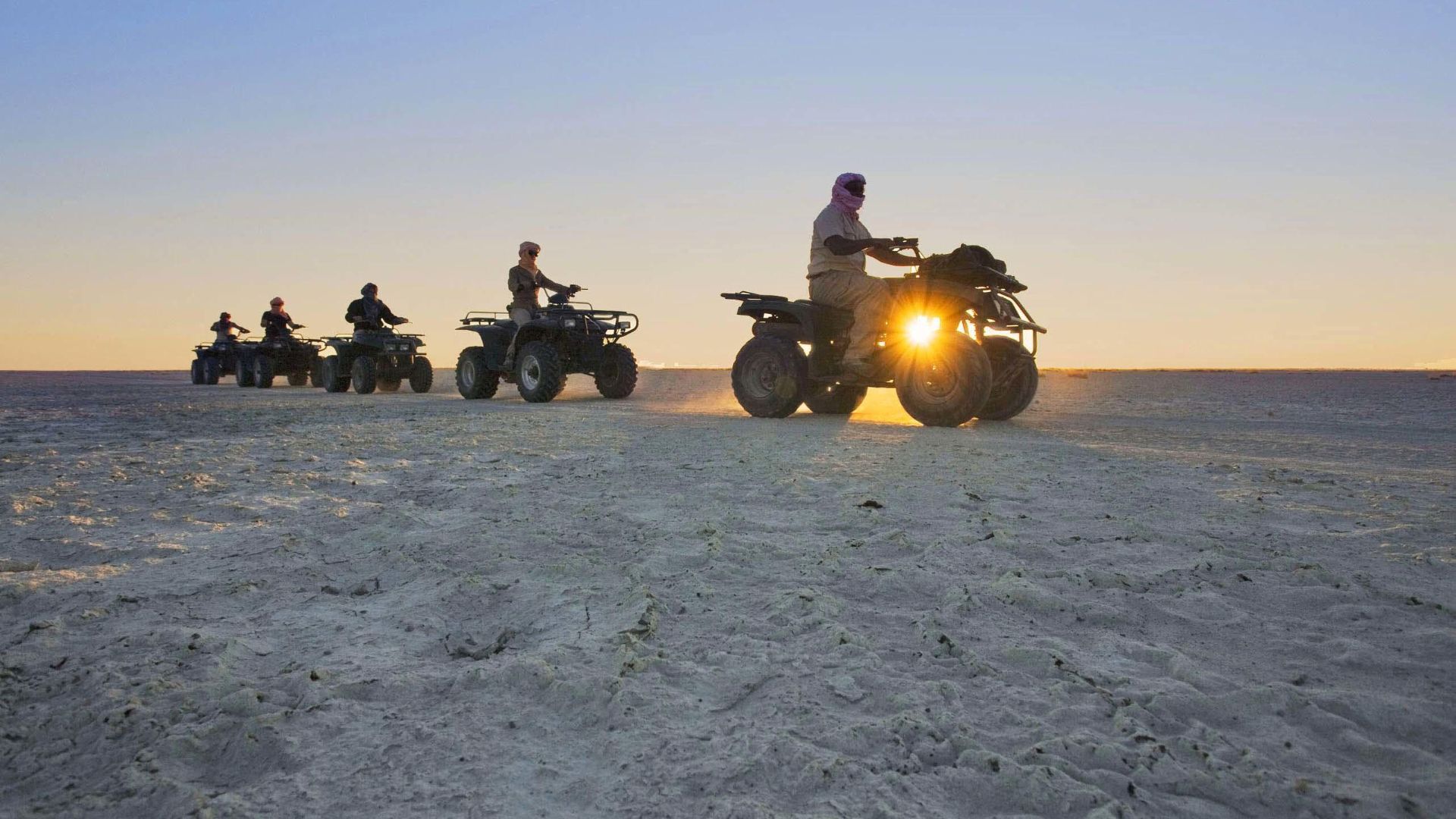
- Head onto the pans by quad bike: Guided excursions are offered in suitable dry conditions, when the surface is firm enough.
- Enjoy the night sky: Clear evenings offer wonderful stargazing, while selected camps arrange seasonal sleep-outs.
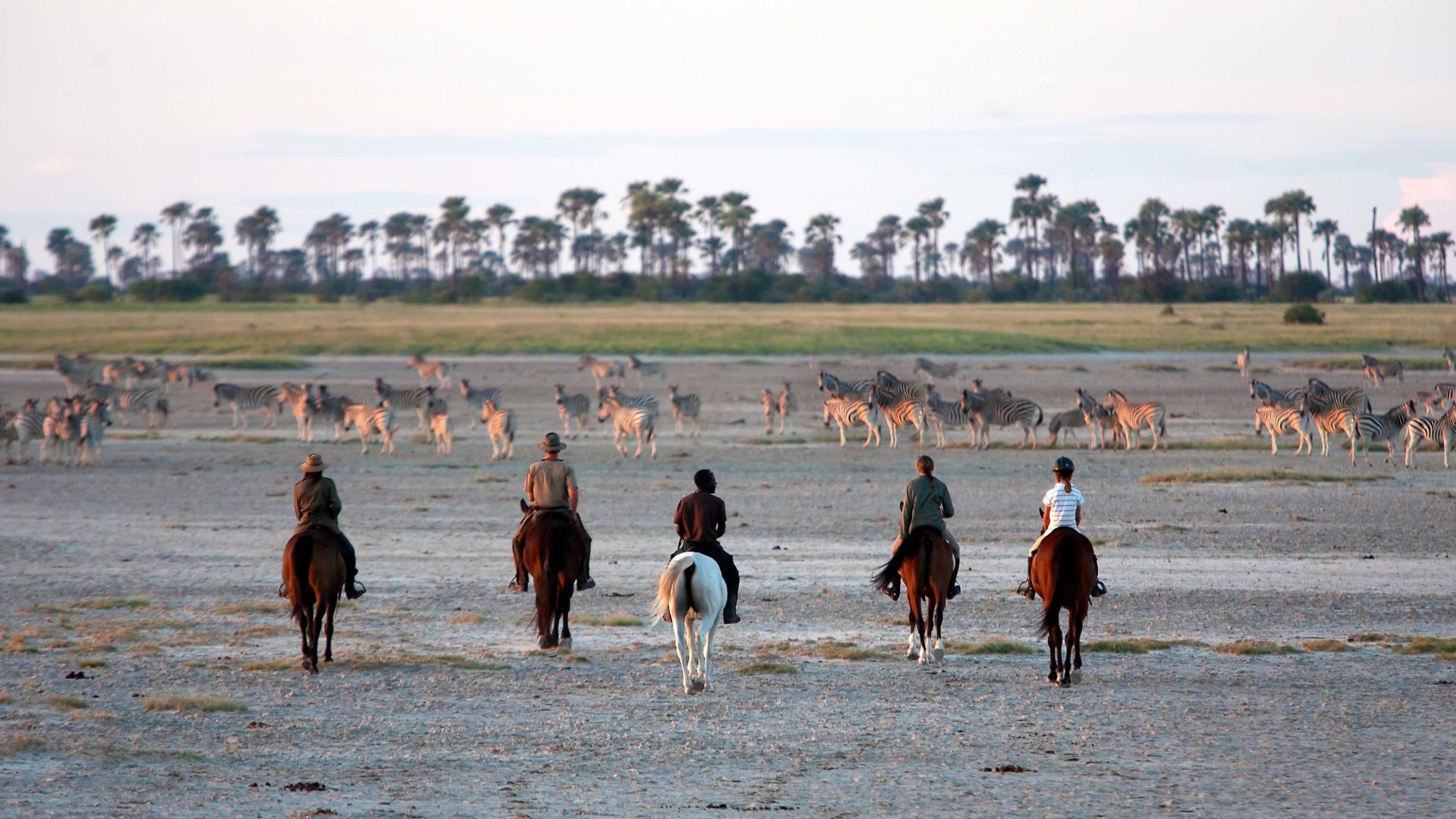
- Consider a horseback outing: Available through certain camps, with options depending on riding experience and local conditions.
If one activity is the reason you are coming, let us know before choosing dates. A camp may be open while conditions prevent a particular excursion.
What Wildlife Can You See?
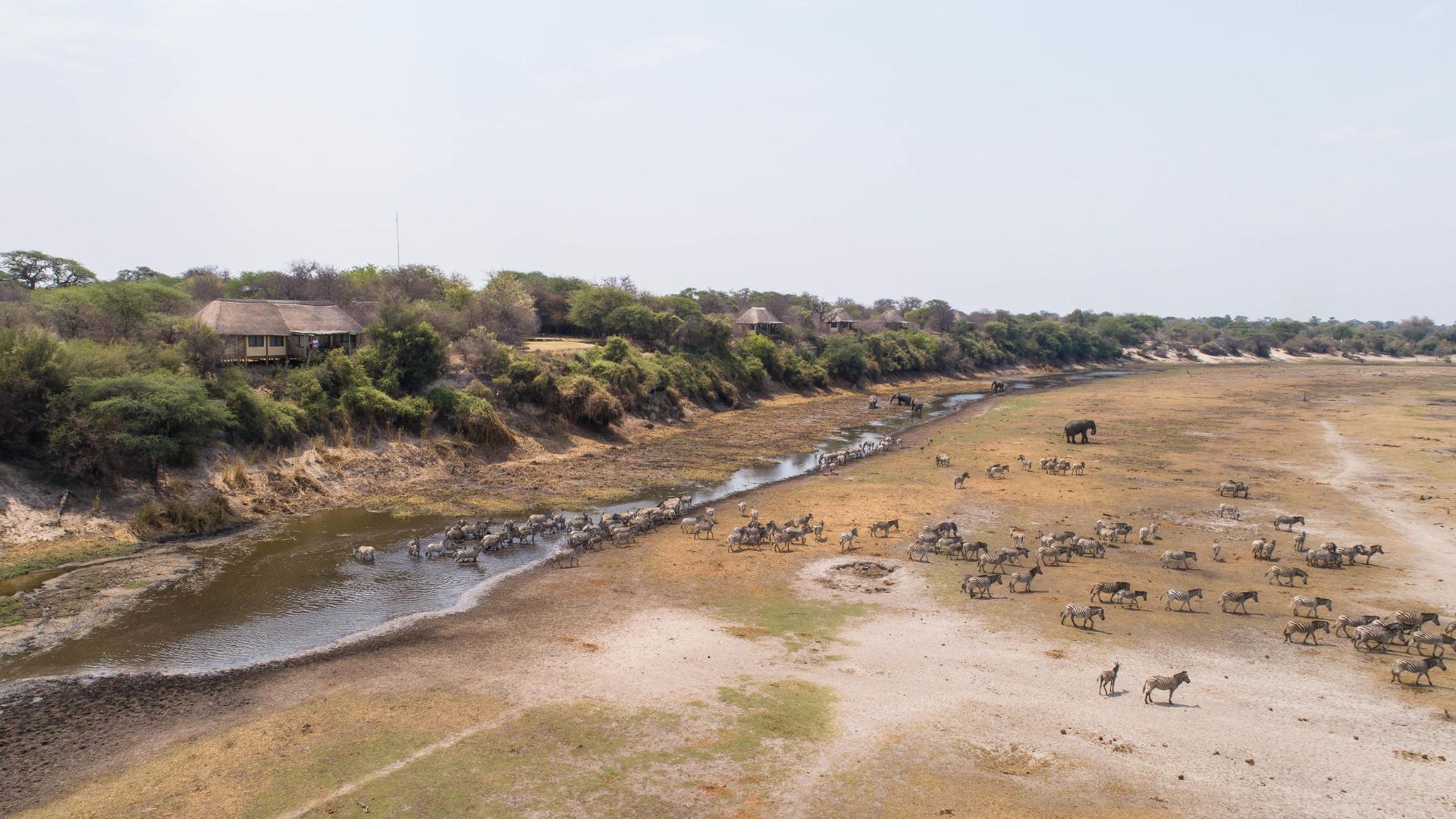
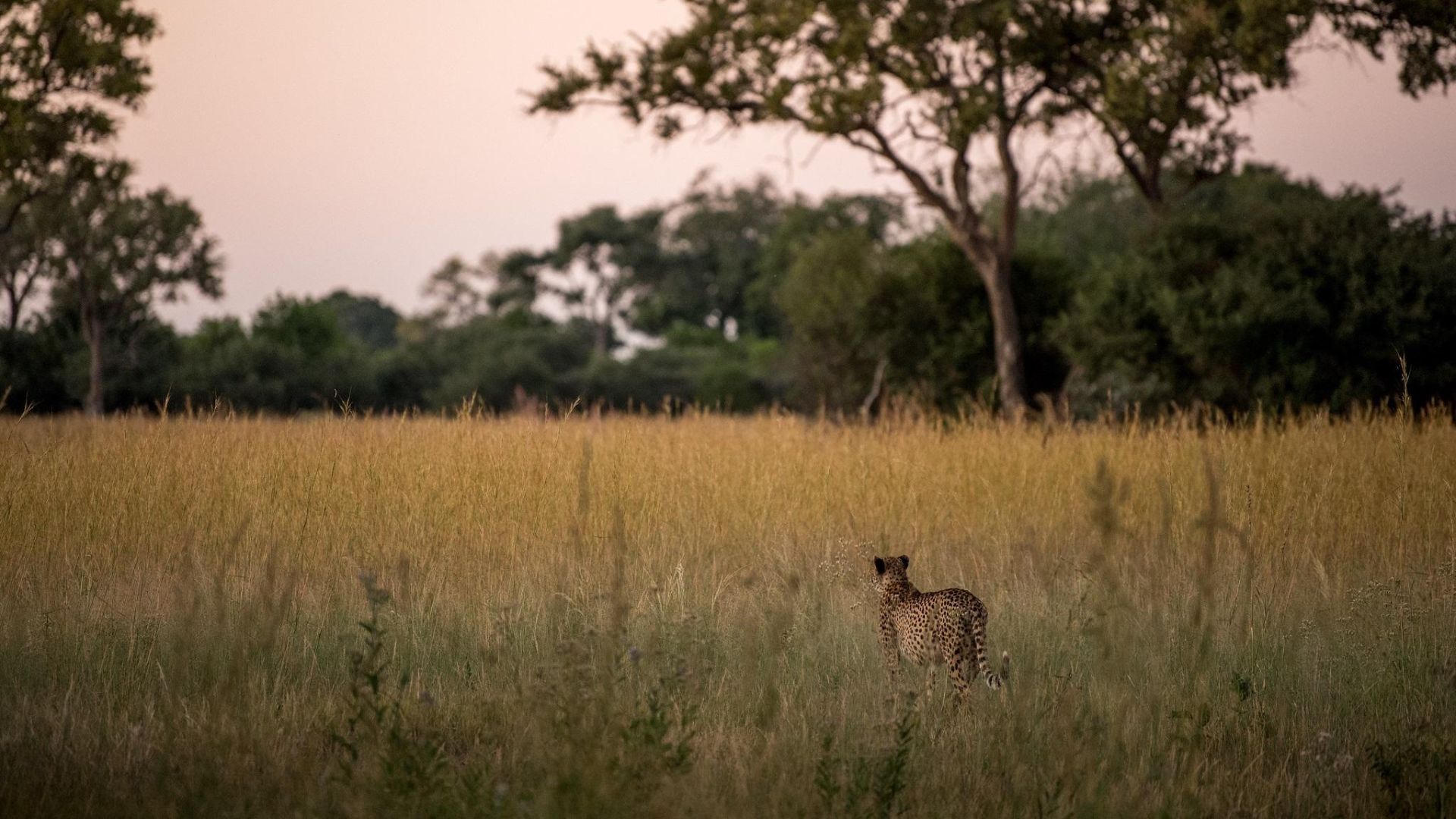
The meerkats are a favourite, but the surrounding grasslands deserve your attention too. Following good summer rains, zebra and wildebeest move into the wider pans region to feed on fresh grazing. During the dry months, wildlife viewing is often more concentrated towards the Boteti side, where available water influences animal movements.
The location of your camp makes a considerable difference to what you are likely to see. We would choose a pans-edge stay for the salt-flat scenery and associated activities, while looking more closely at the Boteti area if riverfront wildlife viewing is your priority. Combining the pans with the Delta gives you room for both kinds of experience.
When Is the Best Time to Visit?
The best time to visit the Makgadikgadi Pans depends on what you would most enjoy. Dry-season salt-pan excursions and green-season wildlife movements offer quite different reasons to come.
- May to August: Generally dry conditions and cooler days, with cold nights and early mornings. A good period to consider for salt-pan activities, subject to the surface drying sufficiently.
- September and October: Usually dry, with hotter days. Early outings and a comfortable place to relax during the afternoon become especially welcome.
- November to April: Seasonal rain can transform the surrounding grasslands, attracting zebra and wildebeest. Wet pans may prevent quad biking and other salt-flat excursions.
Rainfall varies each year, so these are planning guidelines. Our guide to when to travel to Botswana helps you consider the pans alongside the rest of your journey.
Where to Stay in the Makgadikgadi Pans
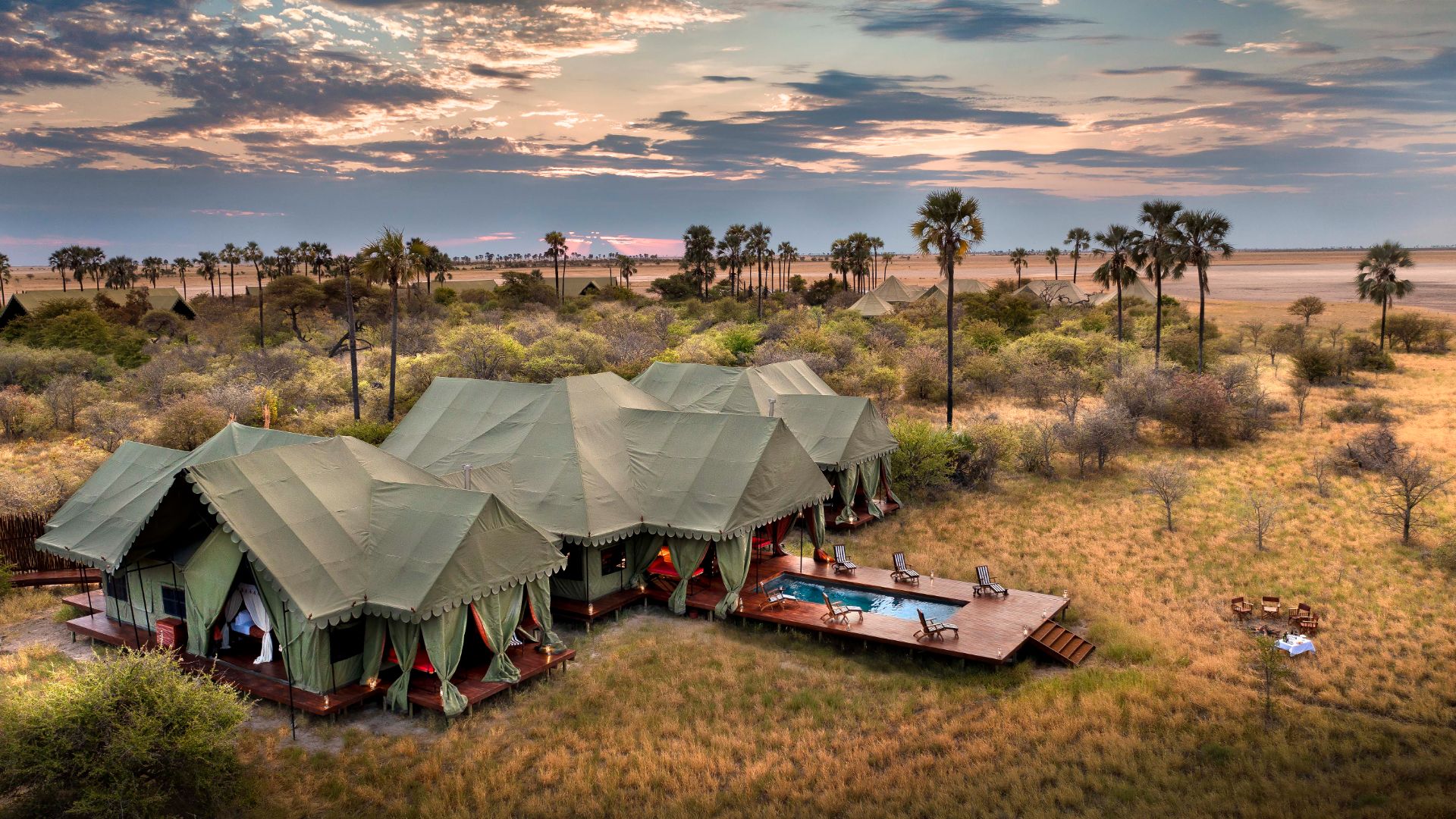
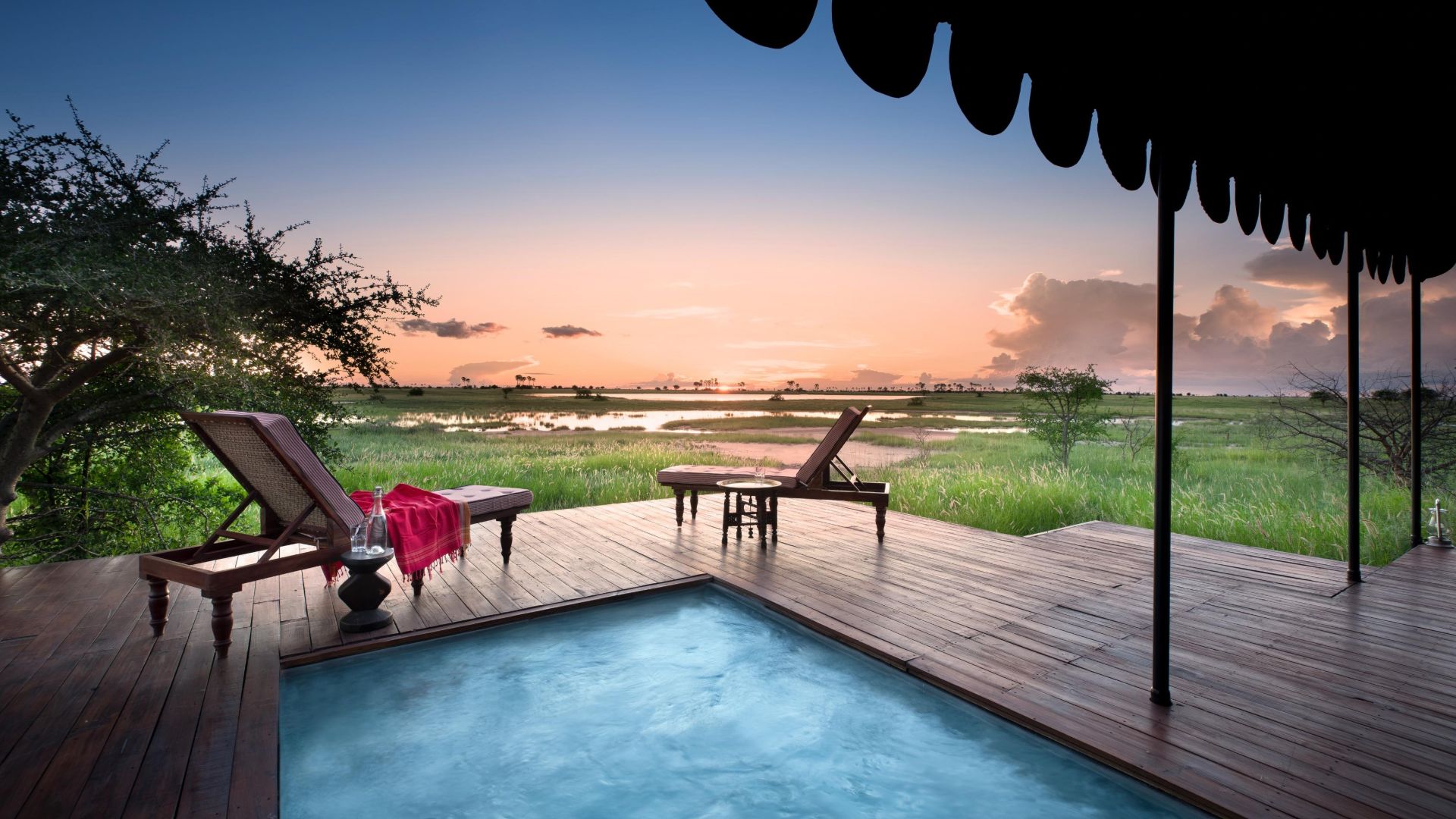
Choose your camp around the experiences you would like to enjoy, then consider the atmosphere that suits you. You might prefer a spacious tent with a private pool or a more relaxed camp where afternoons are spent reading in the shade.
Places we love
- Jack’s Camp: For spacious tents, private plunge pools and interiors filled with textiles, books and natural-history displays. There is plenty to enjoy between outings.
- San Camp: For its white tents overlooking Ntwetwe Pan, inviting tea tent and yoga pavilion. A lovely choice for couples who enjoy quiet afternoons and wide-open views.
- Camp Kalahari: For its relaxed atmosphere, comfortable canvas tents and setting among palms and acacia trees. Its interconnecting family tents are worth considering when travelling with children.
Would the Pans Suit Your Safari?
The Makgadikgadi is a lovely addition for travellers who enjoy trying different activities and learning about the places they visit. Families may appreciate the variety, particularly the meerkats and guided outings, although age requirements need checking for individual activities. Couples and photographers may enjoy having time for the landscape as well as the wildlife.
It can work on a first Botswana safari or a return visit. If your main priority is spending every outing looking for large mammals, we would give more nights to a wildlife-focused area and treat the pans as a shorter addition. The right balance depends on what you are most looking forward to.
How Many Nights Should You Stay?
We generally suggest three nights in the Makgadikgadi Pans. This gives you two full days to enjoy different outings, spend time in camp and avoid trying to fit everything into a single morning or afternoon.
Two nights can work within a shorter journey, while a longer stay may suit guests with particular interests. We would look at the camp’s activities and transfer arrangements before deciding how much time to allow.
Combine the Pans With the Okavango Delta
The Makgadikgadi Pans and Okavango Delta make a rewarding combination. You can spend a few days exploring the pans and surrounding grasslands, then move on to a camp with game drives and opportunities for water activities when conditions allow.
Our Premier Natural Selection Botswana itinerary brings together three nights at Jack’s Camp, three at Tuludi in Khwai Private Reserve and three at North Island Okavango. It is a useful example of how to enjoy contrasting areas while allowing time to settle into each camp.
Explore our Botswana itineraries for more ideas. We can adapt the route, camps and length of stay around your dates and the experiences you would most enjoy.
Frequently Asked Questions About the Makgadikgadi Pans
Are the Makgadikgadi Pans Part of the Okavango Delta?
No. They are a separate region southeast of the Delta, with salt flats, grasslands and woodland. Visiting both gives you a broader picture of Botswana’s landscapes.
Can You See Meerkats Throughout the Year?
Selected camps offer guided visits to habituated meerkat groups throughout the year. Choose a camp that specifically offers this activity, and remember that encounters depend on the animals and local conditions.
Is Quad Biking Available All Year?
No. Quad biking on the salt pans requires sufficiently dry, firm ground. It is generally a dry-season activity, but recent rain and surface conditions determine whether an outing can go ahead.
When Can You See the Zebra Migration?
The greener months are generally the time to look for zebra herds feeding in the wider pans region. Their movements follow rainfall and grazing, so timing and location vary rather than following a fixed calendar.
Are the Makgadikgadi Pans Suitable for Families?
Yes, with the right camp and activities for your children’s ages. Meerkat visits and guided outings can add variety to a family safari, while family accommodation makes time back at camp easier.
How Many Nights Do You Need in the Makgadikgadi Pans?
Three nights is our suggested starting point. It gives you time for several activities and a relaxed afternoon, with the option to stay longer if you have particular interests.
Start Planning Your Botswana Safari
If the pans have caught your interest, we would love to help you make them part of your Botswana journey. Share your dates, who is coming along and what you would most enjoy.
Contact us today and let us help you choose your camps and plan a journey with time to enjoy each place.