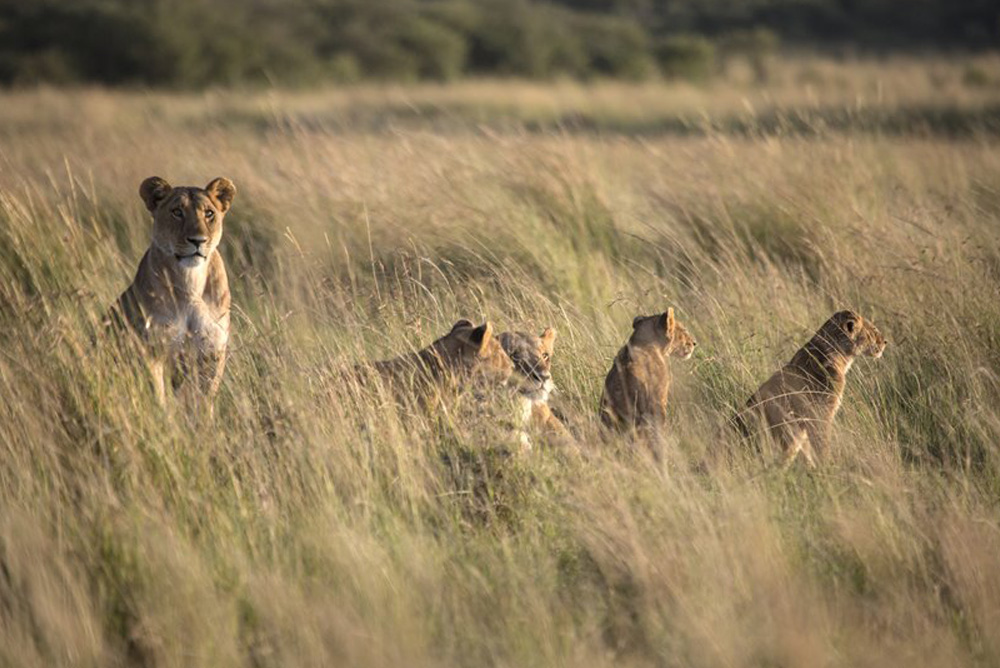
“If you’re planning a Great Migration safari, one question almost always comes up: Serengeti vs Masai Mara – which destination is better?”
The Great Migration is a year-round movement of more than 1.5 million wildebeest across Tanzania and Kenya. Understanding how the migration moves throughout the year is key to planning the right safari, which is why many travellers begin with our Great Migration Safari Guide before choosing where to go.
But while the migration moves between both countries, the experience in each destination can be very different.
Understanding the timing, landscapes, and style of safari is key to choosing the right one.
What Is The Great Migration?
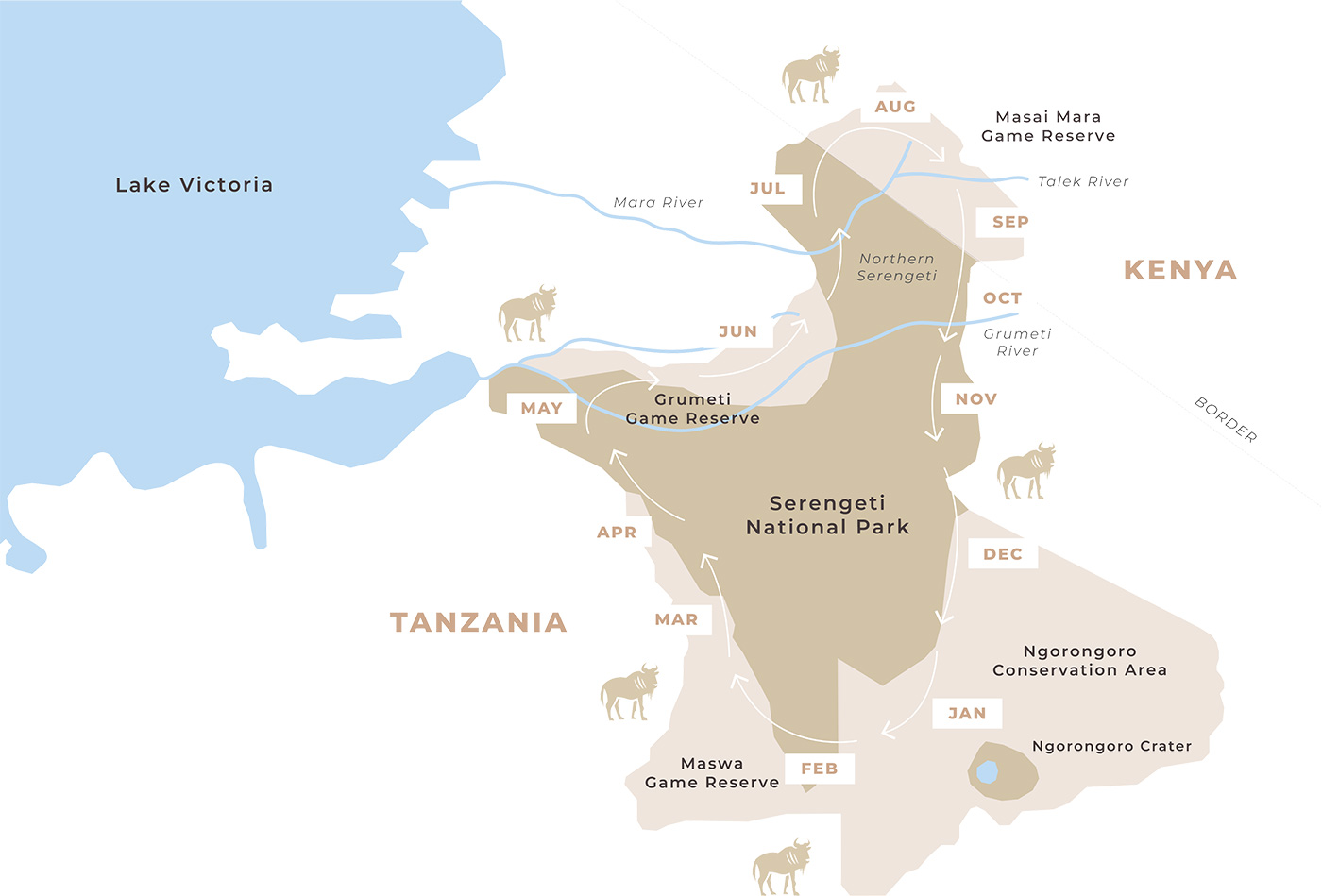
The Great Migration is a year-round movement of wildebeest, zebra, and antelope across the Serengeti–Mara ecosystem.
It is often described as a single event, but in reality it is a continuous circular journey driven by rainfall and grazing conditions.
The herds move through:
- Southern Serengeti (calving season)
- Central Serengeti
- Western corridor
- Northern Serengeti
- Masai Mara in Kenya
This journey covers nearly 1,800 miles annually, making it the largest land migration on Earth.
For travellers, the key is simple:
You need to be in the right place at the right time.
Explore Our Great Migration Safari Guide
Serengeti Safari: Where The Migration Begins
The Serengeti National Park in Tanzania is where the migration spends most of the year.
It is vast, nearly ten times larger than the Masai Mara, and offers a deeper sense of wilderness.
Calving season is one of the most dramatic wildlife periods in africa
Between January and March, more than half a million wildebeest calves are born on the southern plains.
Predators know this.
Lions, cheetahs, and hyenas closely follow the herds, creating some of the most intense wildlife interactions of the year.
For photographers and serious wildlife enthusiasts, this period can be even more rewarding than river crossing season.
For photographers and serious wildlife enthusiasts, this period can be even more rewarding than river crossing season.
Explore the best time to visit Tanzania
The migration is here for longer
The Serengeti hosts different phases of the migration across multiple regions.
Typical patterns include:
- December – March: Calving season in the southern plains
- April – June: Herds move north through central Serengeti
- July – October: River crossings in northern Serengeti
This means the Serengeti offers greater flexibility for safari dates.
The scale of the landscape
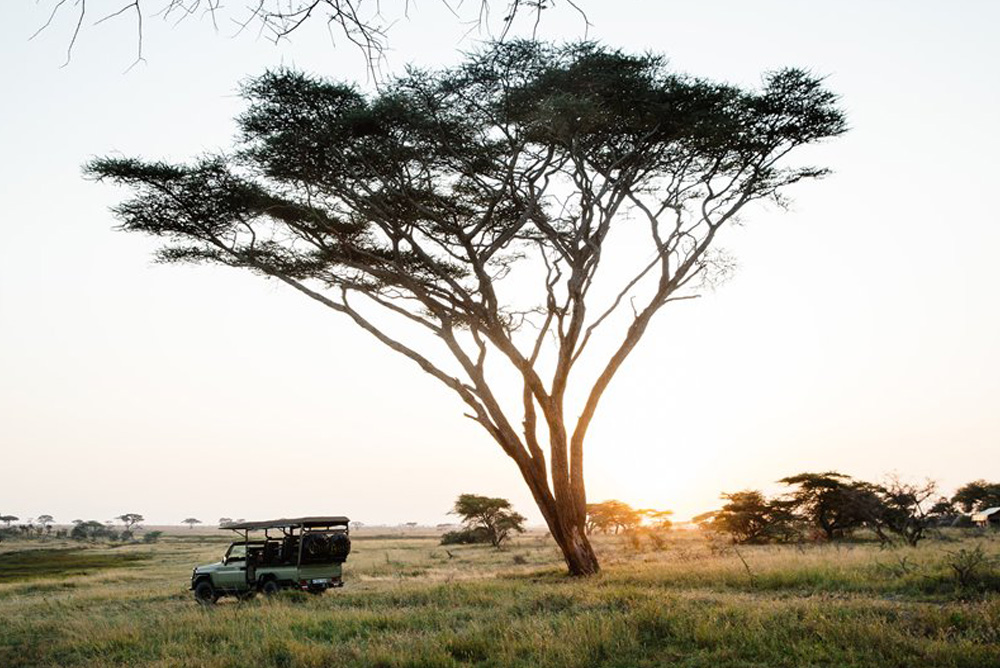
One of the most powerful aspects of a serengeti safari is the feeling of space.
Endless plains. Granite kopjes. River valleys.
It is the kind of landscape that makes you understand why this ecosystem has supported wildlife migration for thousands of years.
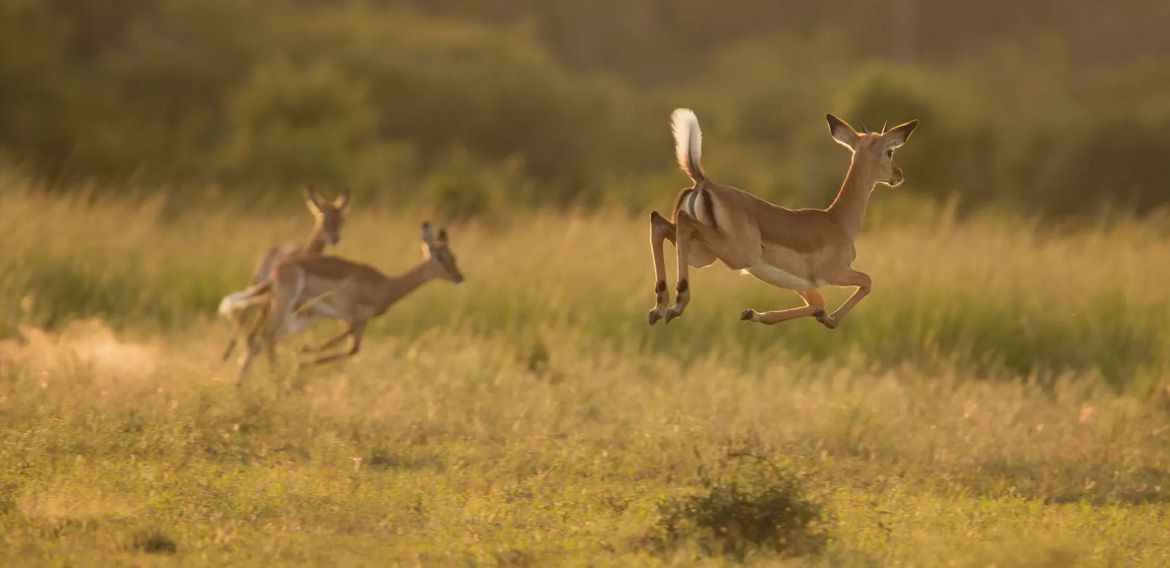
Masai Mara Safari: The Migration’s Most Famous Moment
While the serengeti hosts most of the migration journey, the Masai mara in Kenya is where the spectacle becomes globally famous.
This is where many of the iconic river crossing occur
Exceptional big cat sightings
Even outside migration season, the Masai mara is one of Africa’s best destinations for predator sightings.
The reserve has high population of:
- Lions
- Cheetahs
- Leopards
Open grasslands make wildlife sightings easier compared with more wooded reserves.
Compact ecosystem
The masai mara is much smaller than the serengeti.
For travellers, this often means:
- Shorter driving distances
- Easier wildlife viewing
- Excellent sightings even on shorter safaris
It is particularly popular for first-time safari travellers with limited time.
Explore the best time to visit Kenya
Mara River crossings
From roughly July through October, the herds gather along the Mara River. Thousands of animals build up on banks before plunging into crocodile-filled water. These crossings are chaotic, unpredictable, and breathtaking.
However, one thing safari specials always explain:
River crossings are never guaranteed
You may witness several in a day, or none during a week-long safari.
Timing and luck always plays a role
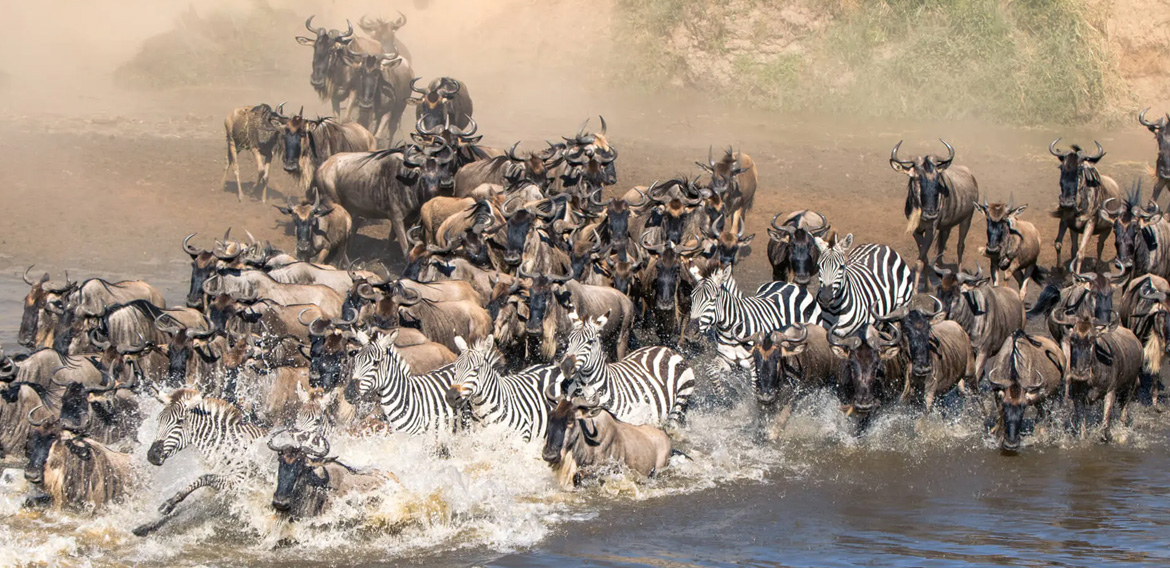
Serengeti vs Masai Mara: Key Differences
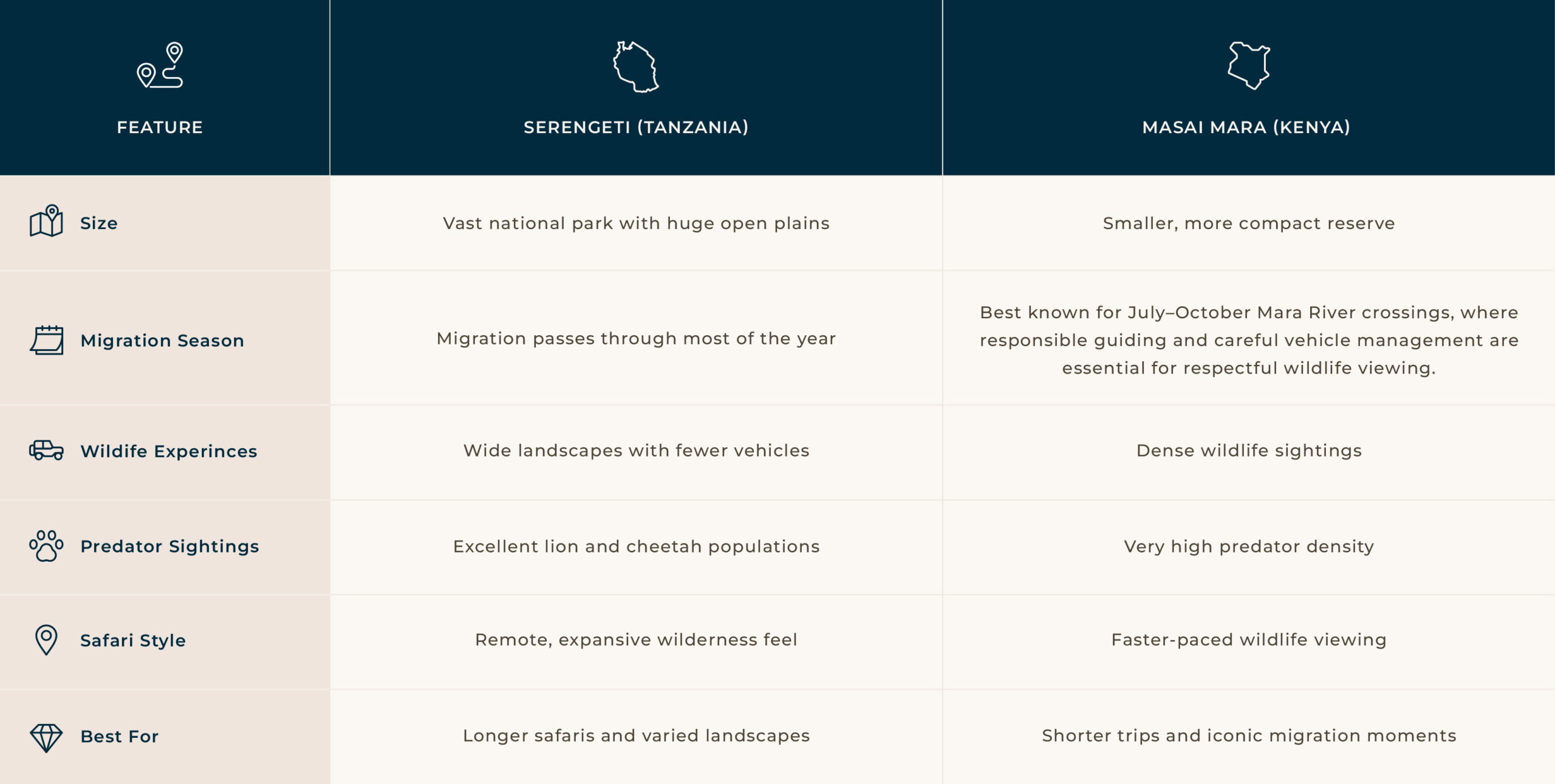
Serengeti vs Masai Mara: What Safari Experts Recommend
At Africa Tailormade, safari planning always begins with one simple principle:
Follow the wildlife, not the marketing
Migration patterns change every year depending on rainfall
Alison Burton explains it this way:
“Travellers often ask whether the Serengeti or the Masai Mara is better for the migration. The truth is, it depends entirely on the time of year you travel. The herds move constantly, so the best safari is always the one that puts you where the wildlife actually is.”
– Alison Burton, Founder of Africa Tailormade
This is why safari itineraries are often designed around migration movement predictions, rather than fixed destinations.
When Is the Best Time to See the Great Migration?
Different stages of the migration create very different safai experiences.
December - March
Best for calving seasons in southern Sernegti.
Highlights:
- Huge predator activity
- Dramatic wildlife behaviour
- Fewer crowds
April - June
The migration moves through central and western Sernegeti.
Highlights:
- Large moving herds
- Green and lush landscapes
- Excellent value season
July - October
Migration reaches northern Serenget and Masai Mara.
Highlights:
- River crossings
- High predator activity
- Peak safari season
November
Short rains begin.
Highlights:
- Fewer vehicles
- Excellent wildlife sightings
- Better lodge availability
Should You Choose Tanzania or Kenya?
The answer depends on what type of safari you want.
Choose Serengeti if you want:
- A longer migration window
- Calving season wildlife drama
- Larger, wilder landscapes
- Fewer vehicles around sightings
Choose Masai Mara if you want:
- The best chance of seeing river corrssings
- Excpetional big cat sightings
- A shorter, high-impact safari
For travllers with 10-14 days, combining both destinations creates one of the most extraordinary safari journeys in Africa.
Explore our Luxury African Safaris
Final Safari Insight
The great migration is one of nature’s most dynamic events.
No two years are ever exactly the same
Rainfall patterns shift, grazing changes, and the herds respond accordingly.
That’s why planning a migration afri requires real-time knowledge of wildlife movement, lodge positioning and seasonal conditions.
Frequently Asked Questions About the Great Migration
Is the Serengeti or Masai Mara better for the Great Migration?
Both destinations host the Great Migration at different times of year. The Serengeti sees the migration for most of the year, including calving season, while the Masai Mara is best known for dramatic river crossings between July and October. The best destination depends on when you travel and where the herds are located.
When is the best time to see the Great Migration?
The migration moves year-round across Tanzania and Kenya.
- January – March: Calving season in southern Serengeti
- April – June: Herds move north through central Serengeti
- July – October: River crossings in northern Serengeti and Masai Mara
- November – December: Herds return south toward calving grounds
Exact timing can vary depending on rainfall.
Where do the famous river crossings happen?
River crossings occur along the Mara River, between northern Serengeti and the Masai Mara. They usually happen between July and October, when the herds move north in search of fresh grazing.
Can you see the Great Migration all year?
Yes. The migration is a continuous movement across Tanzania and Kenya. The herds are always somewhere within the region, but their exact location changes throughout the year depending on rainfall and grazing.
Is the Serengeti less crowded than the Masai Mara?
Generally, yes. The Serengeti is much larger, which spreads vehicles and sightings over a wider area. The Masai Mara can be busier during peak migration season, particularly at river crossing points.
Are luxury safari lodges available in both the Serengeti and Masai Mara?
Yes. Both destinations offer exceptional luxury lodges and tented camps.
Some Serengeti camps move seasonally to follow the migration, while the Masai Mara offers intimate lodges and private conservancies with fewer vehicles.
How long should a Great Migration safari be?
Most safari specialists recommend 7–10 days to properly experience the migration. Many travellers extend their trip to 10–14 days, combining the Serengeti with destinations such as Ngorongoro Crater or the Masai Mara.
Do you need to choose between the Serengeti and Masai Mara for a migration safari?
Not always. Many travellers combine both destinations in one itinerary to experience different stages of the Great Migration.
With around 10–14 days, visiting both the Serengeti and Masai Mara can offer a more complete migration safari experience.
Start Planning Your Dream Safari Today
At Africa Tailormade, our team tracks migration patterns closely and works directly with lodges and guides across the Serengeti–Mara region.
The result is a safari designed around where the wildlife will be, not just where the map says it should be.
Contact us today to start planning your dream Great Migration safari.