
Madagascar
Where ancient forests meet turquoise seas, Madagascar reveals its untamed island spirit – rare wildlife, rich culture, and space to roam freely.
Why Visit Madagascar
Madagascar is like nowhere else on Earth, a vast island where 90% of the wildlife exists nowhere else. Picture giant baobabs rising from red earth, lemurs leaping through rainforest canopies, and turquoise seas lapping at coral-fringed shores. Every region feels like a different world, stitched together by smiling locals and a rhythm that’s unmistakably Malagasy.
An Island of Untamed Contrast
From rainforest canopies to sculpted stone forests, Madagascar feels wonderfully removed – a place of rare species, shifting terrain, and journeys that unfold slowly.

Rainforest to wilderness
Explore eastern rainforests, cross western wilderness, or journey through vast landscapes defined by contrast, climate, and scale.
Canyons and stone
Hike sandstone canyons in Isalo, climb limestone towers in Tsingy, or traverse dramatic terrain carved by wind, water, and time.

Island ocean encounters
Snorkel with turtles off Nosy Be, watch migrating humpback whales from Île Sainte-Marie, or drift along quiet, untouched shores.

An untamed odyssey
Embrace a wilder safari, seek deeper raw discovery, or uncover rare encounters shaped by nature, isolation, and wonder at every turn.
Africa’s most distinctive island landscape
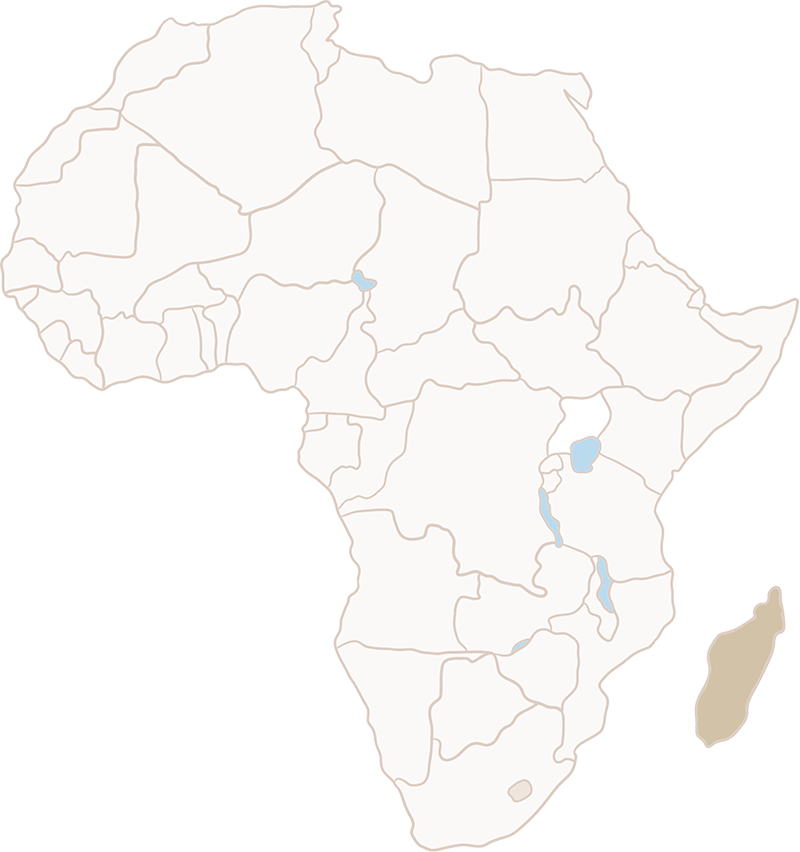
Madagascar is more than an island – it’s where rainforest, stone forest, and warm Indian Ocean shores converge in extraordinary contrast.
Set adrift off Africa’s coast, Madagascar unfolds as a land of rare species and wild terrain. From misted jungle and limestone to coral islands and whale-filled waters, every region feels distinct. It’s a destination defined not by polish, but by depth, discovery, and difference.
Reasons to go
It’s not a polished safari, it’s an odyssey of discovery. Wild, raw, and endlessly surprising, Madagascar rewards the curious traveller with moments of pure, untamed beauty and encounters found nowhere else on the planet.
A World Apart
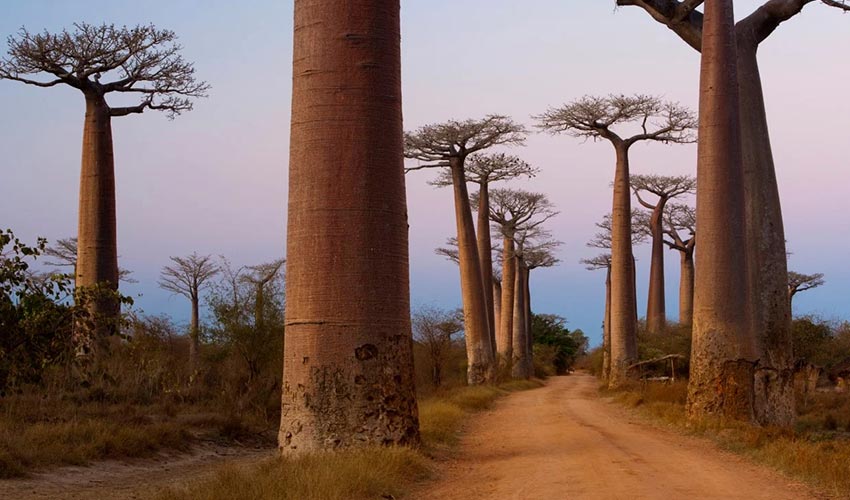
Madagascar feels like another planet. Its isolation has given rise to some of the most unique flora and fauna on Earth, from dancing sifaka lemurs and giant chameleons to the iconic Avenue of the Baobabs. Every corner reveals a different ecosystem, from dense rainforest to spiny desert and tropical reef.
Adventure Across Every Landscape
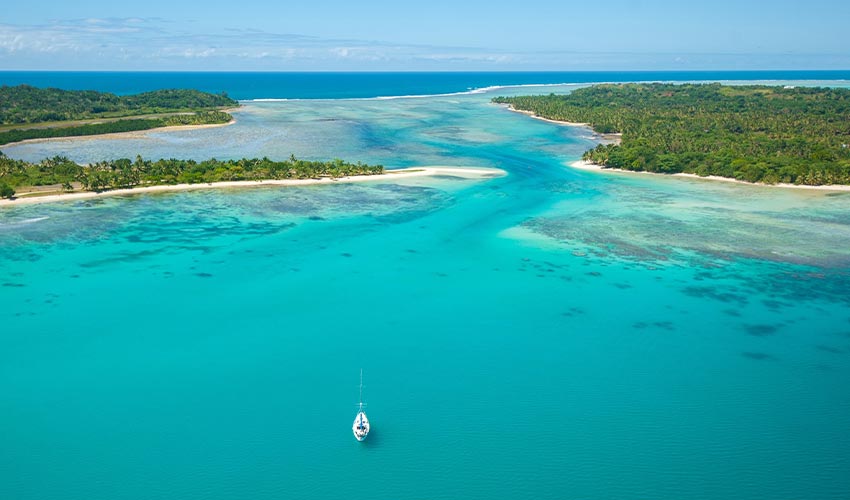
The diversity of terrain means adventure at every turn – hike through canyons in Isalo National Park, explore the limestone pinnacles of Tsingy de Bemaraha, or kayak through mangrove-lined rivers. For water lovers, Madagascar’s reefs, lagoons, and islands offer world-class diving, snorkelling, and sailing.
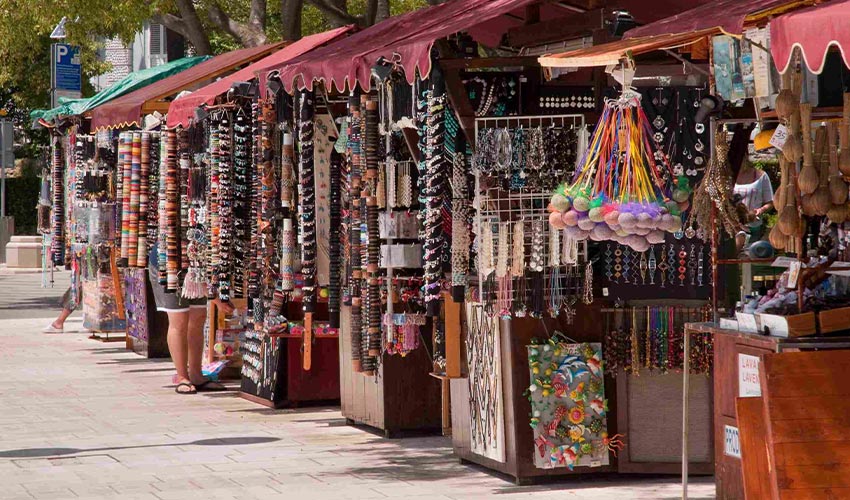
Culture, Colour & Connection
The Malagasy people bring warmth and vibrancy to every journey. Rooted in African and Asian heritage, Madagascar’s culture is a fascinating blend of traditions, music, and rituals. From village markets to beachside fishing communities, travellers are welcomed with genuine smiles and open hearts.
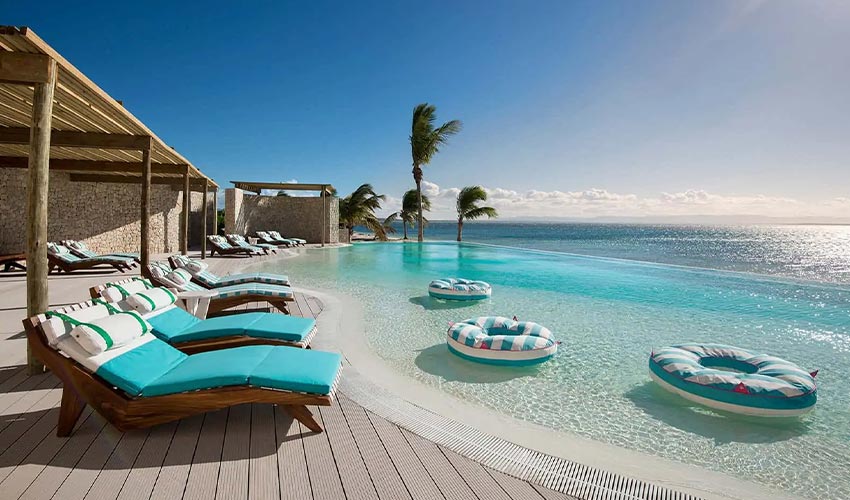
Wild & Untamed Luxury
Madagascar’s lodges and eco-retreats blend comfort with adventure, think remote beach hideaways, rainforest lodges, and barefoot-chic island escapes. Travel here supports conservation and local communities, helping protect the island’s precious wildlife and traditions for generations to come.
FAQs About Visiting Madagascar
What is the best time of year to visit Madagascar?
April – November offers cooler, drier weather ideal for wildlife viewing and hiking. July–September is also popular for whale watching and clear coastal conditions.
Is Madagascar safe for tourists?
Madagascar is safe for travellers when visiting established parks, lodges, and guided areas. As with any destination, basic precautions are recommended, particularly in cities. Most visitors experience a warm welcome and smooth travel when journeys are well planned.
What is Madagascar most famous for?
Madagascar is known for its extraordinary biodiversity, with over 90% of its wildlife found nowhere else on earth. Lemurs, baobab trees, limestone pinnacles, and chameleons define its landscapes and make it one of the most unique destinations in the Indian Ocean.
Which part of Madagascar is best to visit?
It depends on your interests. Andasibe is ideal for rainforest and lemurs, Tsingy de Bemaraha for dramatic limestone formations, Isalo for canyon hiking, and Nosy Be or Île Sainte-Marie for beaches and marine life
What should I wear in Madagascar?
Light, breathable clothing works well in coastal and lowland areas, while layers are recommended for cooler evenings and highland regions. Neutral tones are ideal for wildlife viewing, and sturdy walking shoes are useful in national parks.
Is Madagascar good for wildlife and nature experiences?
Yes — Madagascar is one of the world’s most remarkable nature destinations. From rainforest walks and baobab-lined horizons to whale migrations and coral reefs, the country offers encounters found nowhere else.
Can Madagascar be combined with safari?
Yes. Madagascar pairs well with East or Southern African safari destinations for travellers seeking both classic game viewing and rare endemic wildlife. The contrast between mainland safari and Madagascar’s unique ecosystems creates a compelling itinerary.
Do I need a visa to visit Madagascar?
Most travellers require a visa, which can typically be obtained on arrival for short stays. Requirements vary by nationality, so it’s best to check current regulations before travelling.
Ready to step into Madagascar?
From misted rainforests to coral-fringed islands, we’ll craft your ideal Madagascar journey, blending rare wildlife, dramatic landscapes, and unforgettable Indian Ocean shores.