Packing for an African safari is very different from packing for a beach holiday or a city escape. The key is to pack smart, light and practical, ensuring comfort, safety, and ease while still feeling prepared for unforgettable wildlife encounters.
Whether you’re heading to the savannas of East Africa, the remote wilderness of Southern Africa, or combining your safari with a beach escape in Mozambique, this guide will help you pack with confidence, and avoid common mistakes.
Pack Light. Pack Smart
One of the most important things to note before packing for safari is that less is really more. Many safari itineraries involve light aircraft transfers, which come with strict luggage limits and require soft-sided bags. Lodges also offer daily laundry services, meaning you can comfortably travel with fewer clothes than you might expect.
Safari style is relaxed and practical. Comfort always comes before fashion, and neutral colours help you blend into the natural surroundings while keeping you cool and protected.
What to Wear on Safari
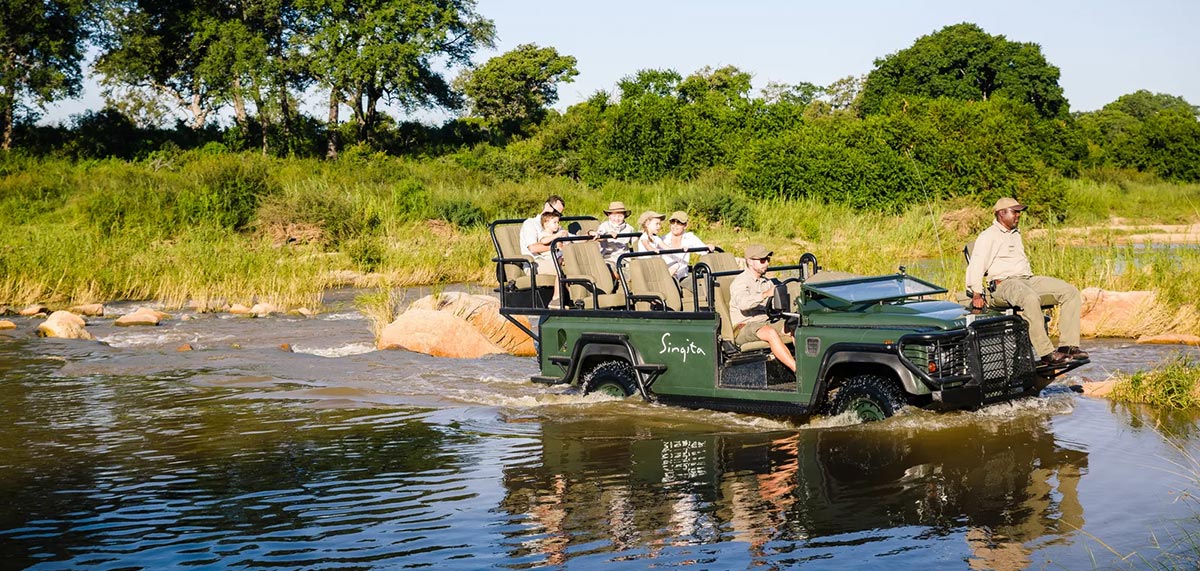
Safari clothing should be lightweight, breathable and versatile. Neutral shades such as khaki, beige, olive and soft grey work best, as they don’t attract insects or distract wildlife.
Long-sleeved shirts and lightweight trousers are ideal for protecting your skin from the sun and insects, particularly during morning and afternoon game drives. A warm fleece or jacket is essential for early mornings, when temperatures can be surprisingly cool, while evenings around the campfire often call for an extra layer.
Comfortable walking shoes or trail shoes are far more practical that heavy hiking boots, and a wide-brimmed hat is essential for sun protection throughout the day.
Bright colours, black clothing and camouflage patterns are best left at home, as they can attract insects or be restricted in certain African countries.
Essential Safari Accessories
While safari lodges provide many comforts, a few personal items will greatly enhance your experience. Sunglasses and high-factor sunscreen are essential in the African sunlight, while a good insect repellent will keep mosquitos at bay, particularly in warmer regions.
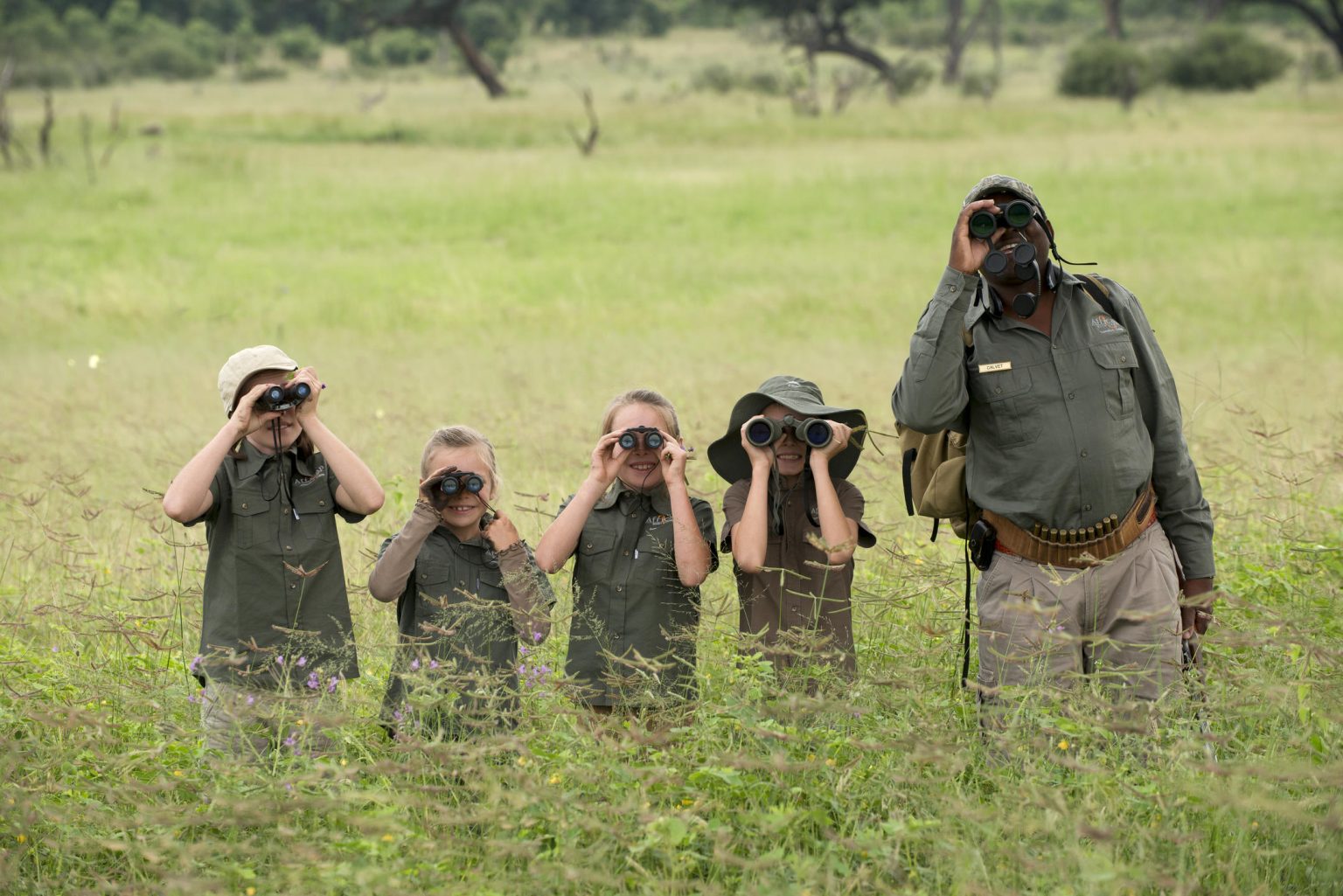
Binoculars are one of the most rewarding items you can bring along on safari, allowing you to spot distant wildlife and appreciate finer details during game drives. A camera with spare batteries and memory cards ensures you’re ready for unforgettable moments, from dramatic sunsets to close-up wildlife encounters.
A reusable water bottle is also a must, helping you stay hydrated while reducing plastic waste.
Practical Extras Worth Packing
A small day bag or backpack is useful for carrying essentials on game drives, such as your camera, water bottle and sunscreen. A compact torch or headlamp comes in handy around camp at night, while a universal travel adapter and power bank are useful in lodges where charging points may be limited.
Its also wise to pack copies of your travel documents, both on paper and digital, along with basic toiletries suited to dry or dusty environments.
Health and Travel Essentials
Before travelling, consult your doctor or travel clinic regarding vaccinations and malaria prevention. Bring any personal medication in its original packaging, along with a basic medical kit that includes pain relief, motion sickness tablets and hand sanitiser.
Wet wipes and lip balm are often overlooked but quickly become favourites in the bush, especially during dry season travel.
What to Leave Behind
Some things are best left at home to ensure a relaxed and hassle-free safari experience.
- Camouflage clothing, which is restricted or illegal in some African countries
- Disposable plastic bags, banned in several regions including Kenya
- Drones, due to wildlife protection and guest privacy, unless special permits are granted in advance
- Expensive or excess jewellery, as safari style is simple and practical
- High voltage beauty tools, such as hair dryers and straighteners, as most lodges provide them and power supply may be limited.
- Strong perfumes or sprays, which can attract insects and disturb wildlife such as hairdryers and straighteners, as most lodges provide them and power supply may be limited
- Laptops, work stress and deadlines, as disconnecting is part of the safari experience
Packing for Different Seasons
Many travellers expect Africa to be consistently hot, but safari days often begin cool and warm up quickly. Early morning and evening game drives can feel chilly, particularly in higher-altitude areas such as the Ngorongoo Crater
The key to staying comfortable is layering. Temperatures can change significantly between sunrise, midday and suet, so being able to add or remove layers makes all the difference.
Most safari vehicles carry blankets, but coming prepared allows you to enjoy every game drive without distraction. Planning for varied conditions ensures you stay comfortable throughout the day and focused on the experience rather than the weather.
Ready to start planning?
At Africa Tailormade, every journey is carefully designed around your travel style, destination and season. From personalised packing advice to expertly crafted itineraries, we ensure every detail is taken care of, so you can simply enjoy the adventure.
Contact us today to start planning your dream holiday!